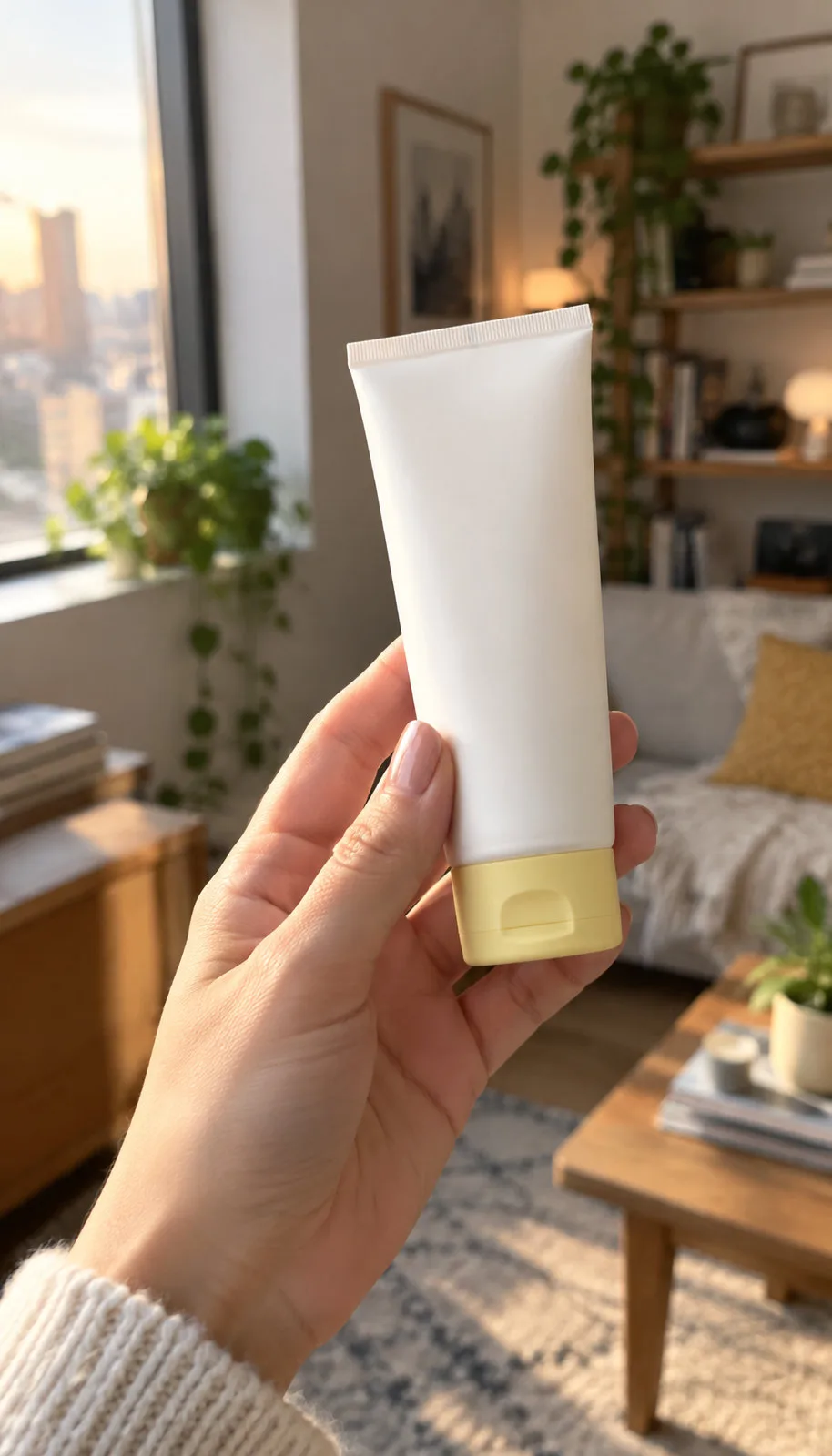
Short answer: hands, proximity and context sell; a face is optional. What makes a clip read as user-generated is not a person talking to camera — it is the grammar of a phone in someone's hand: imperfect framing, natural light, a real room, and a product that is being used rather than presented.
That matters commercially because actors are the expensive, slow, hard-to-repeat part of UGC. If the credibility comes from the grammar rather than the face, most of the cost disappears.
What UGC actually signals
Four things, none of which require a person in frame:
It was made close to the product. Phone shots are taken at arm's length, so the product fills the frame and the background falls out of focus.
It was made somewhere real. A bathroom counter, a bed, a car console. Not a seamless white studio.
It was made quickly. Slight motion, imperfect horizon, a hand that enters a beat too late. Polish reads as advertising; small imperfections read as testimony.
It was made by someone who already owns it. The product is handled casually — picked up, turned, set down — rather than presented with two hands like a trophy.
A talking head adds a claim. These four add credibility. If your claim is visual (texture, size, colour, how it sits in a room), you do not need the head.
Five formats that work without an actor
1. Hand-held reveal. The product enters from the side of frame, held at arm's length, and rotates slightly. This is the cheapest credible shot and the closest to a real unboxing.
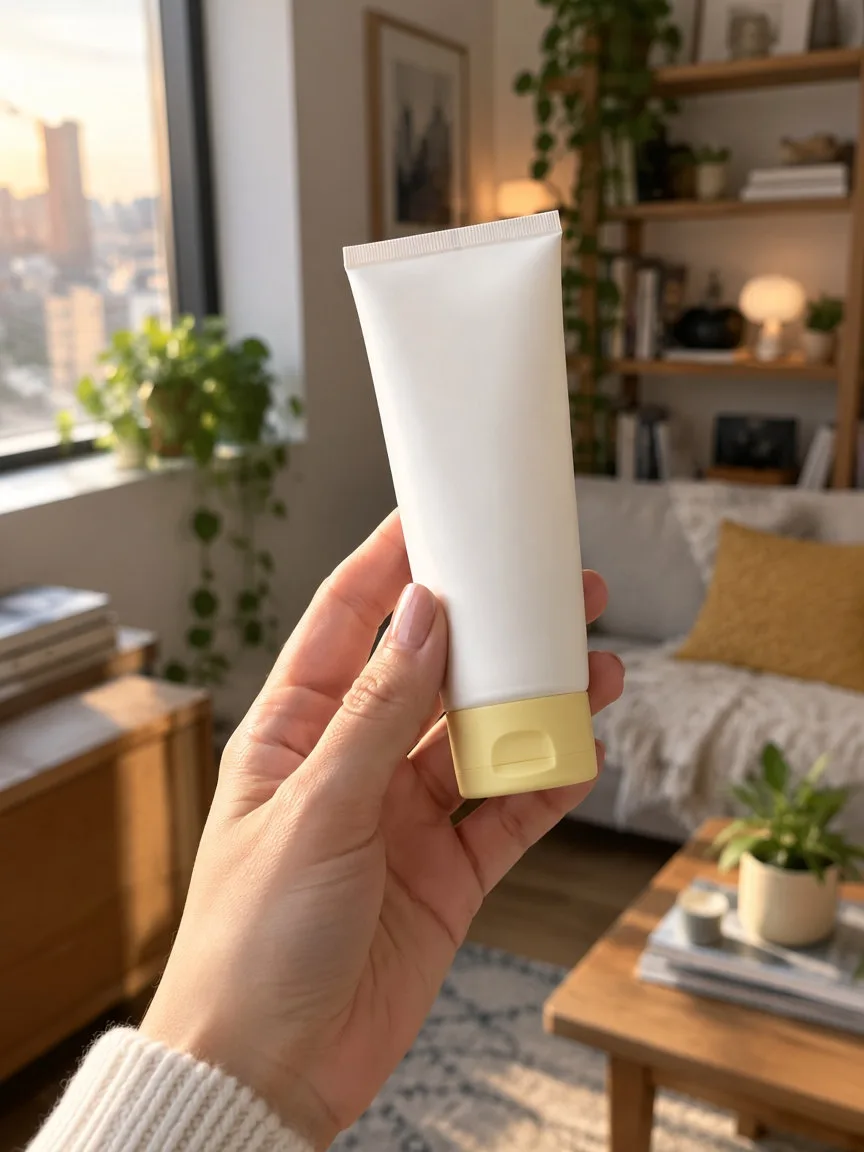
An illustrative still of a hand-held reveal — actor-free UGC grammar, not a finished video render and not a Noiz or Seedance output.
2. POV routine. Camera looks down at a counter: hands do a sequence — pick up, open, apply, set down. No face, but a clear sense of routine.
3. Texture on skin. A fingertip, a wrist, the back of a hand. Skin without identity: the viewer reads the product's behaviour without meeting a person.
4. Honest unboxing. The product lying on a bed or a table with the packaging half-open, the camera drifting slightly. The mess is the credibility.
5. Before/after split. Two shots of the same surface, product in the middle. Less emotional, very effective where the claim is visible.

The phone grammar
Five rules that make an actor-free clip read as shot by a customer:
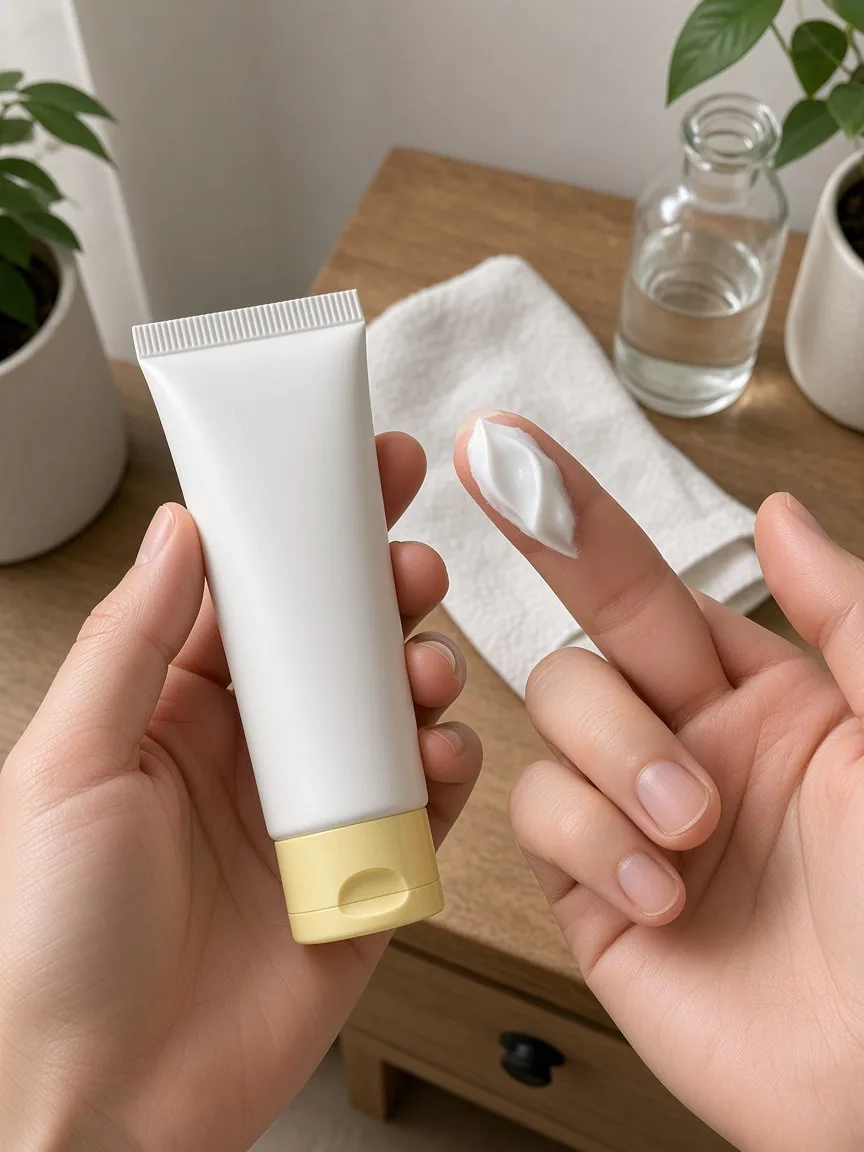
An illustrative POV routine still: chest-height, a real surface, no face. It is a framing example, not a generated video frame.
Camera at chest or eye height, never tripod-level. A locked-off, perfectly level shot announces a studio. Handheld at chest height says "my phone".
Keep one imperfection. Slight drift, a hand entering late, a small horizon tilt. Remove all of them and the clip becomes an ad again.
Natural light only, with direction. Window light from one side, visible falloff. Ring lights and softboxes are the giveaway.
Keep the room in frame. A towel, a plant, a charging cable. Context is the proof of ordinariness; a clean background is the proof of a studio.
No typography. No logo fonts, no lower thirds, no animated captions. The moment brand type appears, the format flips to advertising.
A ten-second structure that holds
Most actor-free UGC fails by being one long shot with nothing happening. Three beats, roughly:
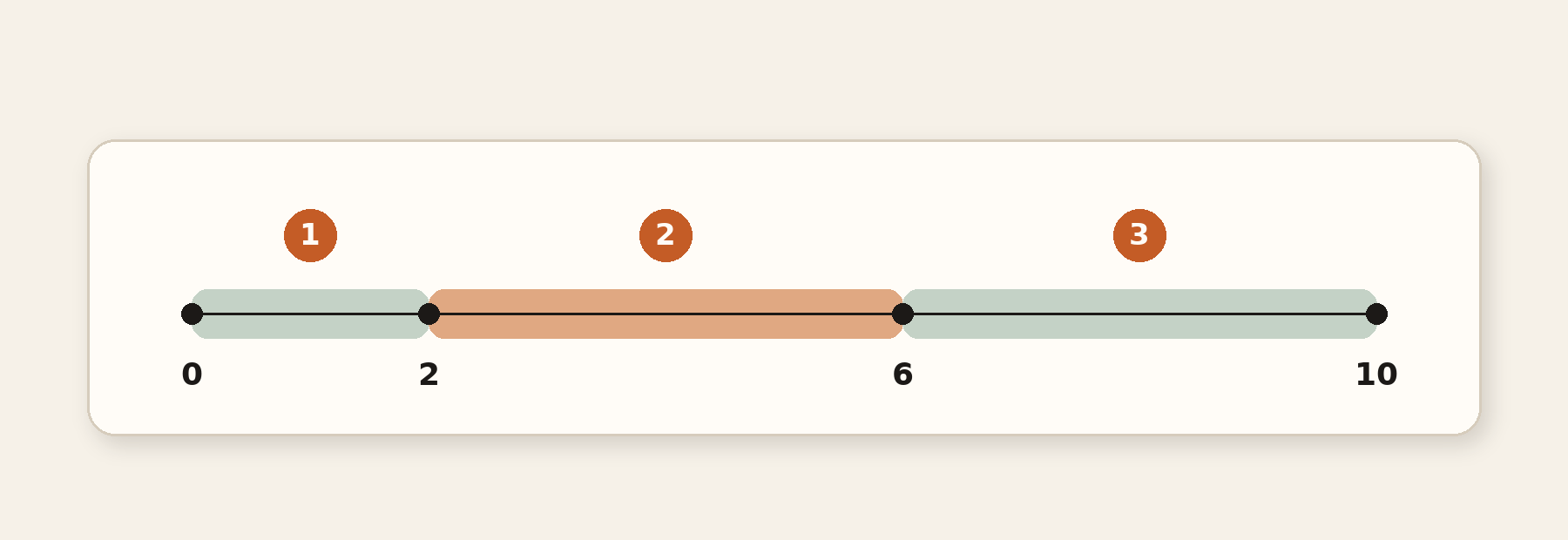
A rough three-beat structure from the article (0–2, 2–6, 6–10), not a marketplace duration spec and not a measured result.
- 0–2s: the object in context. Product already in the room, hand entering. Establish ordinariness before anything happens.
- 2–6s: the action. Open, apply, pour, turn. One action, clear start and end. This is where the product's behaviour is shown.
- 6–10s: the result held still. The applied product, the finished surface, the product sitting where it was set down. A held frame gives the eye somewhere to rest — and it is the frame that survives compression.
If your model or workflow can only do one beat, make it the middle one, and cut the result from a still.
Want to shoot this beat structure? Generate a first take in Noiz Studio with the hand-entry frame attached, and ask for one continuous shot rather than a sequence of cuts.
Where the illusion breaks
Perfect symmetry. A product dead-centre, level, with even margins reads as a render. Offset it.
Over-lighting. Two soft sources and a fill is a product shoot. One window is a home.
A product that floats. No contact shadow, no surface texture and the shot is a cut-out. Keep a shadow.
Immaculate surfaces. A counter with no crumbs, no water marks, no clutter is a set. Keep one honest imperfection — not five.
Motion that is too smooth. Gimbals read as production. A slight hand tremor reads as a person.
When you do need an actor
Some claims cannot be made visually: "I've used this for three weeks", "my skin cleared up", anything testimonial. Those need a person, and generating one brings lip sync, identity consistency and disclosure questions with it.
The rule of thumb: if the claim is about the product's appearance or behaviour, shoot actor-free. If the claim is about the speaker's experience, you need a speaker — and probably a real one.
FAQ
Does actor-free UGC convert as well as talking-head UGC? It depends on the claim, not the format. Visual claims — texture, size, colour, application — do not benefit from a face. Experiential claims usually do. Treat it as a match between claim type and shot, not a universal winner.
How long should the clip be? Ten seconds covers three beats. Under six, you usually only have the action and no result.
Can I use a generated hand? Yes, with the caveat that hands are the least reliable small object in generated video. Check fingers and grip at full size before keeping a take.
Should the product be brand-new in an unboxing shot? Slightly used reads more honest, and it hides imperfection in the packaging. A pristine box reads as a brand asset.
Do I need captions? If the platform auto-captions, no. If you add brand typography, you break the format — use the platform's native style or none.
More production notes: the Noiz blog index.